You are searching for the best time to visit Kenya for Gujarati speakers, and most guides give you a generic answer: June to October. That advice ignores your family calendar. Diwali often falls in November, during the short rains. Summer school holidays from Gujarat collide with the long rains in April and May. This guide maps Kenya’s real seasons against your holidays, so you can make an honest choice.
The dry season from late June through October offers the clearest wildlife viewing. The short rains from November to December bring green landscapes and fewer crowds. The long rains from March to May make most parks muddy and roads difficult. Each season has trade-offs, and the right choice depends on your dates and your children’s ages.
When Is the Dry Season in Kenya and Why Does It Matter?
The dry season runs from late June to October. This is the classic safari window. Grass is short, so animals gather around permanent water sources. They are easier to spot, and you do not need to search through tall vegetation.
Temperatures are mild, around 20 to 28 degrees Celsius in most parks. Mornings can be cool, so pack layers for early game drives. The skies are clear, which means excellent photography conditions.
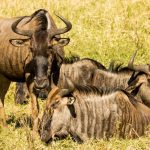
This period includes the Great Wildebeest Migration in the Maasai Mara. From July to October, herds cross the Mara River. River crossings are dramatic and unpredictable, but the chance of seeing one is highest in August and September. If your children are old enough to sit for long game drives, this is the most rewarding time.
Camps and lodges are busiest now. Prices are at their peak. You will share viewing areas with other vehicles, especially at popular river crossing points. Book well in advance, often six to twelve months ahead for the Mara.
How Do Gujarati Holidays Line Up With Kenya’s Seasons?
The biggest conflict is Diwali. Diwali falls in late October or November, depending on the lunar calendar. In Kenya, that is the start of the short rains.
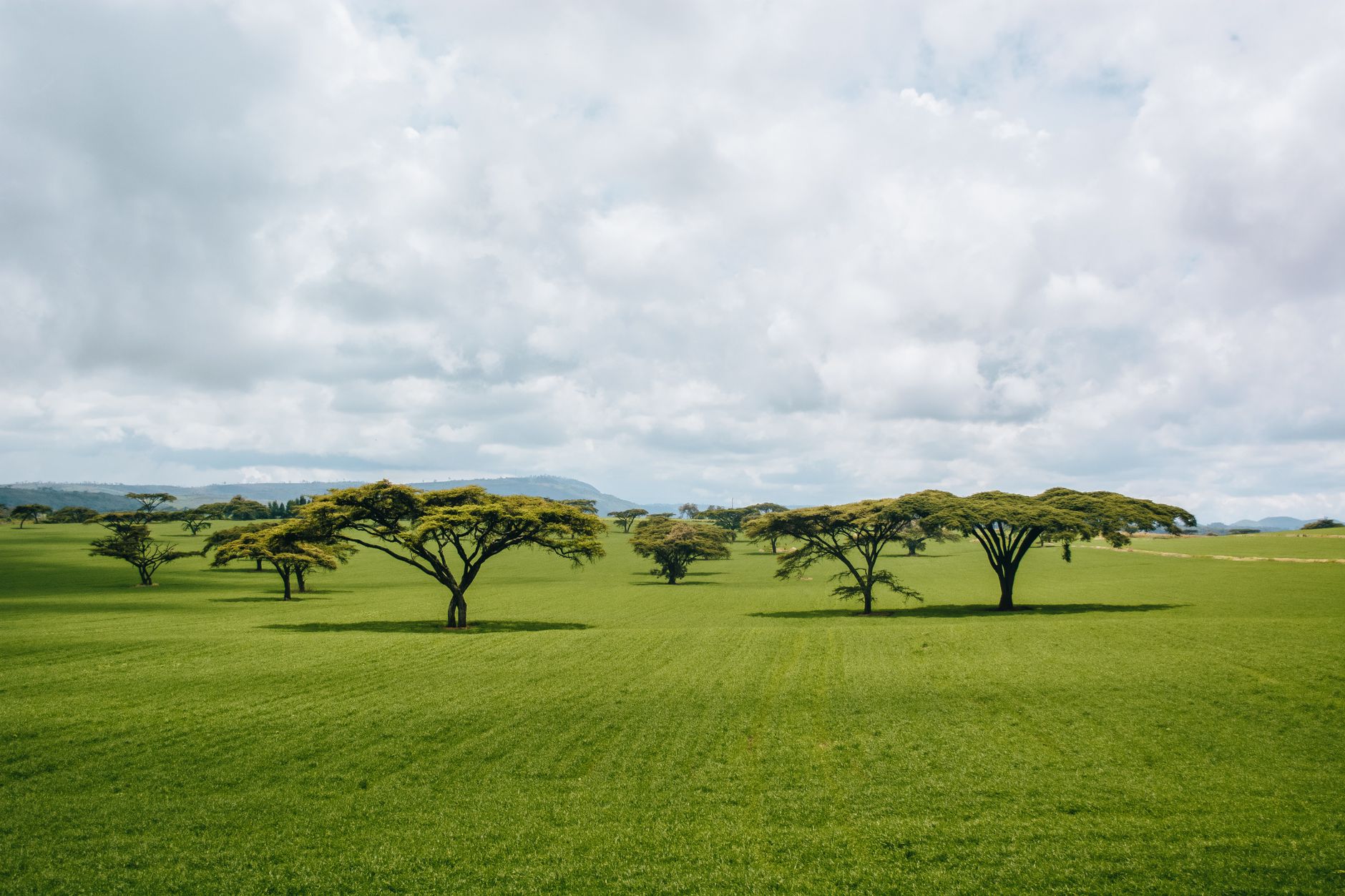
The short rains from November to December are not continuous. You get afternoon showers, often for an hour or two, then clear skies. Morning game drives are usually dry. The landscape turns lush and green, and migratory birds arrive from Europe.
This is a genuine shoulder season. Prices drop from peak rates, sometimes by 20 to 30 percent. Camps are less crowded. You can often upgrade to a better room for the same budget. If Diwali aligns with early November, you can catch the tail end of the migration in the Mara before herds move south.
Navratri also falls in September or October. September is still firmly in the dry season. The Mara is excellent, and the wildebeest are still present. October offers a mix: early October is dry, late October brings the first rains. This makes September the safer choice for Navratri travel.
Summer school holidays in Gujarat run from late April to early June. This is the hardest season. The long rains peak in April and May. Many camps close, and some park roads become impassable. By early June, the rains taper off, and the dry season begins. If you can travel in the first two weeks of June, you get good wildlife viewing with fewer crowds before the peak prices kick in.
What Is the Best Time to Visit Kenya for Gujarati Speakers?
There is no single best month for everyone. It depends on your priorities.
For the highest concentration of wildlife and the migration, August and September are best. You trade crowds and high prices for exceptional sightings.
For value and a balance of weather and wildlife, November is excellent, especially for Gujarati families traveling during Diwali. You accept some rain, but you gain lower costs and a quieter experience.
For a family with young children, June is a strong pick. The rains have ended, the grass is still manageable, and crowds have not peaked. You can find good deals before the July rush.
Avoid April and May unless you have flexibility. Many camps close, and you risk days of heavy rain. Some operators offer discounts, but you are gambling with your holiday.
Is Kenya Safe for Gujarati Families With Children?
Kenya is safe for families when you use reputable guides and stay at established camps. The safari circuit is well-developed, and tourism is a major part of the economy. Guides are professional, and camps prioritize security.
For young children, check minimum age policies. Many camps allow children from age six, though some tented camps prefer eight or older. Game drives are long, so plan for breaks. Most lodges offer children’s programs, including nature walks and junior ranger activities. Some camps, such as Sarova Mara Game Camp, have family rooms and accommodate younger children.
Vegetarian and Jain food is available at major camps. Sarova Mara and Sarova Lion Hill in Lake Nakuru are known for catering to Indian dietary needs. You can request Jain meals in advance, and kitchens will prepare vegetarian options without onion and garlic. Carry some snacks from home as a backup, especially for long drives.
Do Gujarati and Indian Citizens Need a Visa or eTA for Kenya?
Yes. Indian citizens need an eTA, which replaced the traditional visa process. You apply online before travel. The eTA costs money, and processing takes a few days. Apply at least two weeks in advance.
Children need their own eTA application, even infants. You must upload a passport photo and a passport page for each traveller. Carry printed copies of the approval with you.
Are There Direct Flights From Ahmedabad or Mumbai to Kenya?
There are no direct flights from Ahmedabad to Nairobi. You will fly via Mumbai, Doha, Dubai, or Addis Ababa. Kenya Airways, Emirates, Qatar Airways, and Ethiopian Airlines operate routes. Flight time from Mumbai to Nairobi is around five to six hours, plus a stopover.
From Ahmedabad, add two to three hours for the domestic connection. Plan a full day for travel, especially with children. Book morning departures so you arrive in Nairobi early and can rest before starting your safari.
What Should Gujarati Families Pack for a Kenya Safari?
Pack for temperature swings and dusty roads. Lightweight, breathable clothing in neutral colors works best. Long sleeves and trousers protect against mosquitoes and the sun. Include a warm fleece for early morning drives, when temperatures can drop below 15 degrees Celsius.
For children, carry their usual medicines, including paracetamol and oral rehydration salts. Sunscreen and insect repellent are essential. A hat and sunglasses protect from the equator’s strong sun.
Vegetarian families should bring sealed snacks like biscuits, nuts, and instant noodles. While most camps provide vegetarian food, options on long drives are limited.
Check our full Kenya safari packing list for a detailed breakdown by season.
Which Parks Are Best by Season?
The Maasai Mara shines from July to October because of the migration. In November, after the herds leave, the Mara is quieter but still offers excellent predator sightings. For Gujarati families, the Mara has the widest choice of camps with Indian food.
Amboseli is a year-round destination. The elephants are always present at the foot of Kilimanjaro. The dry months from June to October offer the clearest views of the mountain. In the wet season, the marshlands attract herds but the grass can obscure shorter animals.
Lake Nakuru and Ol Pejeta are good in the shoulder seasons because they are smaller and you cover ground faster. Samburu is more remote and works best in the dry season. The coast at Diani is ideal for December to March, when the rains retreat and the ocean is calm.
For help deciding between the two most popular parks, read our Maasai Mara vs Amboseli comparison.
How Many Days Do Gujarati Families Need for a Kenya Safari?
Plan a minimum of six days for a classic safari. That gives you three nights in the Maasai Mara and two nights in Amboseli, with travel days in between. With young children, add a rest day to avoid burnout.
A shorter three-day trip works if you focus only on the Mara, but you lose time to transfers. For a first visit, seven to eight days is comfortable. This allows for one night in Nairobi to recover, two to three nights each in the Mara and Amboseli, and buffer time for flight delays.
What Does a Kenya Safari Cost for an Indian Family?
Costs vary widely. Budget for a mid-range safari at roughly 250 to 400 US dollars per person per day. This covers a comfortable lodge, meals, and game drives in a shared vehicle. A luxury camp ranges from 500 to 900 US dollars per person per day, with private guides and premium tents.
Flights from India add 600 to 900 US dollars per person for a round trip. The eTA fee is separate. Peak season prices from July to October can be 30 to 50 percent higher than the shoulder season. For a family of four, a seven-day safari in November may cost significantly less than the same trip in August.
How Do the Seasons Compare for Wildlife, Crowds, and Price?
The table below summarizes what you can expect in each season. Use it to match your family’s priorities.
| Season | Months | Wildlife Viewing | Crowds | Price Level | Best For |
|---|---|---|---|---|---|
| Dry peak | Jun-Oct | Excellent, migration Jul-Oct | High | High | First-time safari, migration |
| Short rains | Nov-Dec | Good, green landscapes | Low | Medium | Diwali travel, value seekers |
| Long rains | Mar-May | Poor to fair, camps close | Very low | Low | Budget only, flexible dates |
| Early dry | Jun | Good to excellent | Low | Medium | Families with young children |
The dry peak offers the best viewing but the highest costs. The short rains give you a real discount with acceptable weather. The long rains are a gamble. For most Gujarati families traveling for Diwali, November is the sweet spot.
What Is the Best Time to Visit Masai Mara Specifically?
The Maasai Mara is best from July to October. The wildebeest migration is the headline event. River crossings peak in August and September. If you travel during Navratri in September, you are in prime migration season.
In November and December, the herds have moved south to Tanzania. The Mara still has resident lions, leopards, and elephants. You will see fewer wildebeest but enjoy a quieter park. This is a fine choice if your dates are fixed and you want to avoid the crowds.
For a detailed month-by-month look at this famous reserve, see our best time to visit Masai Mara guide.
Which Camps and Lodges Cater to Gujarati Dietary Needs?
Several safari camps cater to Indian and Jain palates. Sarova Mara Game Camp in the Mara has a strong reputation for Indian food. The kitchen prepares vegetarian and Jain meals on request. Sarova Lion Hill in Lake Nakuru offers similar accommodations, with a buffet that includes Indian dishes.
When booking, tell your operator about dietary needs. Reputable companies will relay this to the camp ahead of arrival. If you are not booking with us, you can raise this requirement with any of the partners listed below. This is a routine request, and camps are experienced with it.
For more advice on planning your itinerary, read this safari planning guide for Indian travelers or this family safari planning guide.
Ready to Compare Safari Operators?
When you are ready to move forward, compare safari operators and browse packages through FindMySafari, Valley Safaris, or Trunktrails Safaris. They can match your dates and dietary needs to the right camp and vehicle.
Where Can You Find More Safari Planning Resources?
- Best time to visit Kenya from Trunktrails Safaris
- Best time to visit Kenya month-by-month map from Valley Safaris
- Family safari collection on FindMySafari